Tag Archives: zombie stories for kids

Screen time alternatives for kids- Little Zombie books, zombie books for kids, adventure books for kids

Screen Time Alternatives for Kids: Little Zombie Books

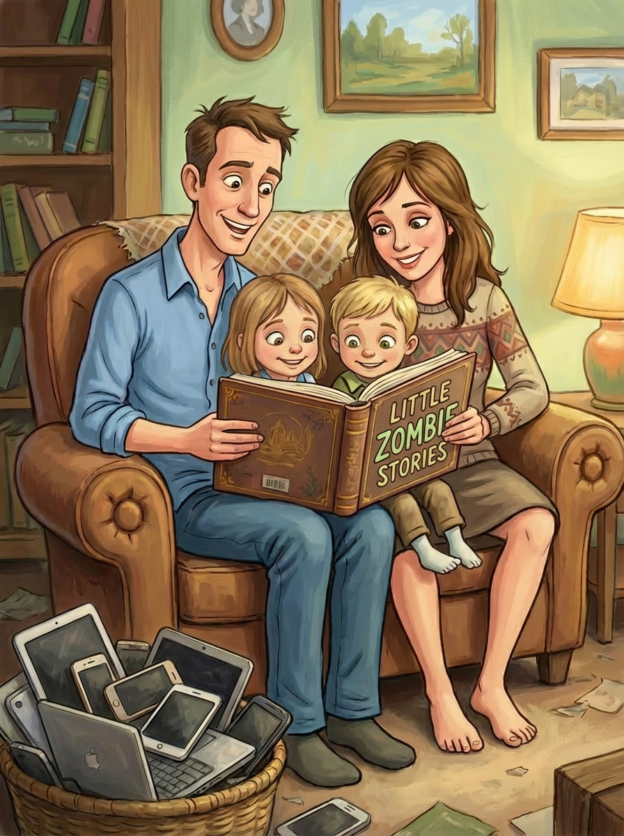
In today’s digital world, screens are everywhere—tablets, phones, computers, televisions. While technology has its place, many parents worry about excessive screen time and its impact on children’s development. The good news? Screen time alternatives for kids- “Little Zombie” books. Our books offer an engaging, screen time alternative for kids. Let’s explore how to make reading these adventures a natural, appealing part of your family’s daily routine.

Understanding the Screen Time Challenge

Before diving into solutions, it’s worth acknowledging why screen time is so appealing to children—and so challenging for parents to limit.

Why Kids Love Screens:

Instant gratification and constant stimulation

Interactive elements and immediate feedback

Bright colors and engaging sounds

No effort required—passive entertainment

Social connection through games and apps

Why Parents Worry:

Reduced physical activity and outdoor play

Less face-to-face social interaction

Potential sleep disruption

Limited creative and imaginative play

Concerns about content quality and appropriateness

The key isn’t eliminating screens entirely but finding balance with enriching alternatives that children genuinely want to engage with.

Why Books Work as Screen Time Alternatives for Kids

Reading offers benefits that screens simply cannot provide:

Active engagement—children must use imagination to bring stories to life

Language development through rich vocabulary exposure

Improved focus and attention span

Better sleep quality when reading before bed

Bonding opportunities when reading together

No blue light exposure affecting sleep patterns

Complete control over content and pacing

“Little Zombies” books are particularly effective screen time alternatives for kids because they combine the excitement kids crave with the developmental benefits parents value.

The Little Zombies Advantage

What makes these books especially appealing as screen-time replacements?

Visual Appeal: The illustrations in “Little Zombies” books provide visual stimulation similar to screens but require active mental engagement rather than passive consumption.

Adventure and Excitement: The stories deliver the action and adventure kids enjoy in games and shows, but through imaginative storytelling that develops creativity.

Just-Right Spookiness: The gentle spooky element captures attention and creates excitement without being frightening—striking that perfect balance kids love.

Manageable Length: The books are long enough to be satisfying but short enough to hold attention, making them perfect for fitting into daily routines.

Series Appeal: Like binge-watching a favorite show, kids can follow the little zombies through multiple adventures, creating anticipation for the next book.

Creating a Daily Reading Routine

The key to replacing screen time with reading is making it a consistent, appealing part of your day. Here’s how:

Morning Reading Time

Instead of morning cartoons, try:

Wake-up story: Keep a “Little Zombies” book on the nightstand for 10-15 minutes of reading before getting out of bed

Breakfast reading: Place a book at the breakfast table for reading while eating

Getting-ready incentive: “When you’re dressed and ready, we’ll read a chapter together”

Making it work: Start with just 10 minutes and gradually increase as the habit forms. The key is consistency—same time, same place, every day.

After-School Wind-Down

Replace screen time snacking with:

Snack-and-story time: Pair healthy snacks with a “Little Zombies” adventure

Decompression reading: Let kids independently read for 20 minutes to transition from school mode to home mode

Read-aloud while preparing dinner: You read while they listen and perhaps help with simple meal prep

Making it work: Create a cozy reading nook with comfortable seating, good lighting, and easy access to books. Make it more inviting than the TV corner.

Evening Routine

Transform screen time into story time:

Pre-dinner reading: “We have 30 minutes until dinner—let’s see what adventure the little zombies have today”

Bath time alternative: Read while they soak in the tub (waterproof books or careful handling!)

Bedtime ritual: Replace evening TV or tablet time with 20-30 minutes of reading together

Making it work: Bedtime reading is often easiest to establish because it naturally calms children down, unlike screens which can stimulate and disrupt sleep.

Weekend Reading Adventures

Replace weekend screen binges with:

Saturday morning reading marathon: Make it special with hot chocolate and cozy blankets

Reading picnics: Take “Little Zombies” books to the park or backyard

Rainy day reading parties: Create a reading fort with pillows, blankets, and snacks

Library trips: Visit the library weekly, but bring your “Little Zombies” books along for reading there

Making it work: Make reading feel like a special event, not a chore. Add elements that make it fun and different from weekday routines.

Strategies for Successful Transition to Screen Time Alternatives for Kids

Moving from screens to books takes strategy. Here’s how to make the transition smooth:

Start Small

Don’t eliminate all screen time overnight. Begin by replacing one screen session per day with reading time. Gradually increase as the habit strengthens.

Create Rituals

Make reading time special with consistent elements:

Special reading spot with comfortable seating

Reading snacks (fruit, crackers, water)

Cozy blanket or stuffed animal

Dimmed lights or natural lighting

Quiet background music (optional)

Offer Choices

Let children choose which “Little Zombies” book to read from your collection. Autonomy increases engagement and reduces resistance.

Read Together Initially

Even if your child can read independently, shared reading time makes it more appealing than solitary screen time. Gradually transition to independent reading as the habit forms.

Use Timers Positively

Instead of “no screens for 30 minutes,” frame it as “reading time for 30 minutes, then you can choose what to do next.” This focuses on what they’re gaining rather than what they’re missing.

Making Reading More Appealing Than Screens

Add Interactive Elements:

Act out scenes from “Little Zombies” books

Draw favorite characters or scenes after reading

Discuss the story—what would you do in that situation?

Create predictions about what happens next

Build Anticipation:

Keep some books “special” and only available at certain times

Introduce new “Little Zombies” books as exciting events

Create a reading challenge or chart to track progress

Let children earn new books as rewards

Make It Social:

Read with siblings or friends

Start a neighborhood “Little Zombies” book club for kids

Video call grandparents to tell them about the story

Share favorite parts with family at dinner

Enhance the Experience:

Use different voices for characters

Add simple props or costumes related to the story

Create themed snacks based on the book

Make a “Little Zombies” reading corner with zombie decorations

Addressing Common Challenges

“But they say reading is boring!”

This usually means they haven’t found the right books yet. The adventure and gentle spookiness of “Little Zombies” often hooks reluctant readers. Start with short reading sessions and gradually increase.

“They sneak screens anyway”

Make screens less accessible during designated reading times. Put devices in a drawer or different room. Replace easy screen access with easy book access—leave “Little Zombies” books in multiple locations.

“I don’t have time to read with them”

Start with just 10 minutes. Even busy parents can find 10 minutes. As the routine establishes, you can decide whether to continue shared reading or transition to independent reading time.

“Siblings have different reading levels”

“Little Zombies” books can work for a range of ages. Younger children enjoy the pictures and story when read aloud, while older children can read independently. Choose books that work for the middle ground.

“They resist anything that isn’t screens”

Expect initial resistance. Stay consistent for at least two weeks before judging success. Most children adjust when they realize reading time is non-negotiable but also genuinely enjoyable.

Measuring Success

You’ll know your screen time alternatives for kids are working when:

Children ask for reading time without prompting

They talk about “Little Zombies” characters like friends

They request specific books or ask when the next one is available

Reading time happens naturally without battles

Screen time decreases without constant monitoring

Children choose books during free time

The Long-Term Benefits

Establishing reading as a screen alternative creates lasting positive effects:

Cognitive Development: Regular reading builds vocabulary, comprehension, focus, and critical thinking far more effectively than passive screen time.

Emotional Regulation: Unlike screens that can overstimulate, reading helps children develop calm focus and emotional processing through character experiences.

Family Connection: Shared reading time creates bonds and conversation opportunities that screens often prevent.

Sleep Quality: Evening reading instead of screens leads to better sleep, which affects everything from mood to academic performance.

Lifelong Habits: Children who develop reading routines often maintain them into adulthood, becoming lifelong readers and learners.

Flexibility and Balance

The goal isn’t perfection or zero screen time. Some days will include more screens than others, and that’s okay. What matters is establishing reading as a regular, enjoyable alternative that children genuinely value.

“Little Zombies” books fit naturally into this balanced approach—exciting enough to compete with screens, beneficial enough to feel good about as parents, and engaging enough to become something children actively want.

Conclusion

Screen time doesn’t have to dominate your child’s day. By intentionally creating reading routines with engaging books like “Little Zombies,” you offer children something genuinely exciting that doesn’t require batteries or WiFi. Start small, stay consistent, and watch as books become a natural, beloved part of your family’s daily rhythm.

In conclusion, the little zombies are ready for adventure whenever your child is—no charging required, no updates needed, just open the book and let imagination take over. Transform screen time into story time, one adventure at a time, and discover how these friendly zombies can become your family’s favorite screen-free activity.

help with bedtime anxiety

Using Little Zombies Books to Help with Bedtime Anxiety

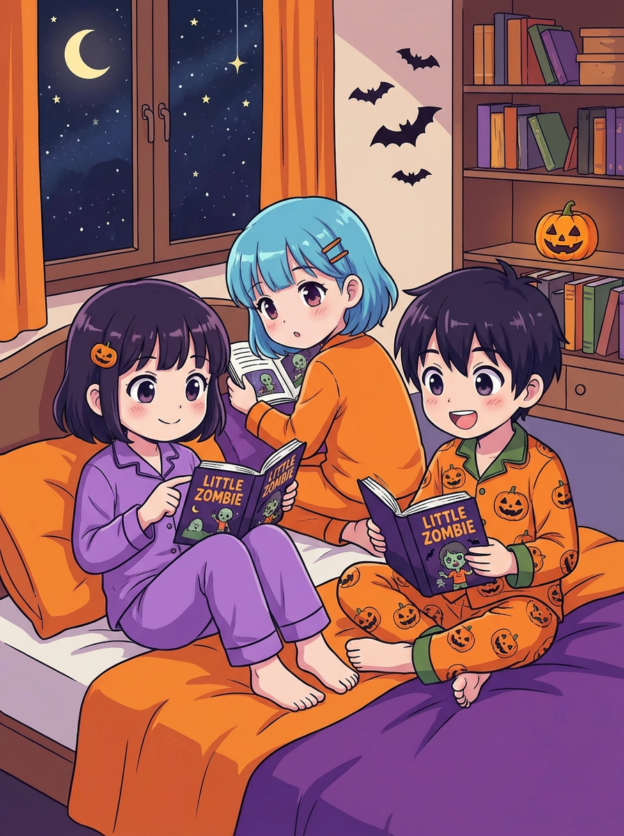
Bedtime struggles are one of the most common challenges parents face. Whether it’s fear of the dark, separation anxiety, or an overactive imagination, many children experience bedtime anxiety that makes the evening routine stressful for everyone. Surprisingly, “Little Zombies” books—with their gentle spookiness and comforting adventures—can be powerful tools for help with bedtime anxiety. Let’s explore how these stories help children face their nighttime worries and create peaceful transitions to sleep.

Understanding Bedtime Anxiety in Children

Before addressing solutions, it’s important to understand what’s happening when children resist bedtime.

Common Bedtime Fears:

      • Fear of the dark and what might be hiding in it
      • Worry about being alone or separated from parents
      • Overactive imagination creating scary scenarios
      • Anxiety about nightmares or bad dreams
      • Fear of missing out on family activities
      • General difficulty with transitions and letting go of the day

Why Bedtime Is Particularly Challenging: Bedtime represents loss of control for children. The lights go out, parents leave, and they’re alone with their thoughts. For anxious children, this quiet time allows fears to grow larger.

The Counterintuitive Solution: Friendly Spooky Stories

It might seem odd to read spooky stories to anxious children at bedtime, but “Little Zombies” books work because they address fears directly while making them manageable and even fun.

How Little Zombies Help Conquer Bedtime Fears

Making the “Scary” Friendly

The genius of “Little Zombies” is transforming traditionally frightening creatures into lovable characters. When children see zombies as friends rather than monsters, they learn that scary things aren’t always what they seem.

Application to bedtime: If zombies can be friendly, maybe that shadow in the corner isn’t scary either. This reframing helps children question their fearful assumptions.

Providing Predictable Adventure

Children with anxiety crave predictability. “Little Zombies” books offer adventure within safe, predictable structures—the characters face challenges but always work through them successfully.

Application to bedtime: Knowing the little zombies always handle their problems helps children feel confident they can handle their own nighttime worries.

Demonstrating Courage

The little zombies regularly face situations that could be scary, but they approach them with curiosity, teamwork, and bravery. They model healthy responses to fear.

Application to bedtime: Children internalize these brave behaviors and can channel them when facing their own fears: “If the little zombies can be brave, so can I.”

Creating Comfortable Familiarity with Darkness

Many “Little Zombies” adventures take place in settings with shadows, nighttime, or dim lighting—but these settings are portrayed as interesting rather than threatening.

Application to bedtime: Regular exposure to nighttime settings in stories normalizes darkness and reduces its power to frighten.

Building Emotional Vocabulary

The stories give children words for their feelings—worried, nervous, brave, confident. This emotional vocabulary helps them identify and communicate their bedtime fears.

Application to bedtime: When children can name their feelings (“I’m feeling worried like when the little zombie entered the dark cave”), they gain control over those emotions.

Creating a Bedtime Reading Routine

Using “Little Zombies” books effectively for bedtime anxiety requires more than just reading—it requires intentional routine building.

Setting the Stage

Create a calming environment:

          • Dim the lights gradually rather than suddenly
          • Use a reading lamp or nightlight for comfort
          • Settle into a cozy reading spot—bed, reading chair, or floor cushions
          • Eliminate distractions and create quiet

Timing matters: Start reading 30-45 minutes before lights-out, allowing time for the story, discussion, and wind-down.

The Reading Ritual

Make it consistent:

            • Same time every night
            • Same location if possible
            • Same general structure (bathroom, pajamas, story, talk, tuck-in)
            • Predictability reduces anxiety

Read together: Even if your child can read independently, shared reading at bedtime provides comfort and connection that eases separation anxiety.

Post-Reading Discussion

This is where the real anxiety-reducing magic happens. After reading, spend 5-10 minutes talking about the story:

              • “What was your favorite part?”
              • “Were the little zombies ever scared? How did they handle it?”
              • “If you were in the story, what would you do?”
              • “What made the scary parts not so scary?”

These conversations help children process fears in a safe, structured way.

Specific Strategies for Different Anxiety Types

For Fear of the Dark

Use Little Zombies to reframe darkness and help with bedtime anxiety:

                • Point out how the little zombies navigate dark settings successfully
                • Discuss how darkness is just the absence of light, not the presence of danger
                • Note the adventures that happen in darkness in the stories

Activity: After reading, play “find the little zombie” in dim light with a stuffed toy, making darkness feel playful rather than threatening.

For Separation Anxiety

Use Little Zombies to build independence:

                • Highlight moments when characters work independently but know their friends are nearby
                • Discuss how the little zombies are brave even when not together
                • Emphasize that being alone doesn’t mean being unsafe

Activity: Create a “brave little zombie” plan—what the little zombies would do at bedtime, and how your child can do the same.

For Overactive Imagination

Use Little Zombies to redirect imagination positively and help with bedtime anxiety:

                • Show how imagination creates fun adventures in the stories
                • Practice imagining positive scenarios instead of fearful ones
                • Use story characters as “protectors” in imagination

Activity: Ask your child to imagine a “Little Zombies adventure” happening in their room—something fun and safe rather than scary.

For Nightmare Worries

Use Little Zombies to process dream fears:

                • Discuss how story problems always get solved
                • Talk about how the little zombies would handle a bad dream
                • Create distinction between stories (controlled) and dreams (uncontrollable but harmless)

Activity: If your child has a nightmare, retell it the next day with little zombies as helpers who solve the problem.

For Fear of Missing Out

Use Little Zombies to validate rest:

                • Point out when characters rest and recharge in stories
                • Discuss how adventures require energy that sleep provides
                • Frame sleep as preparation for tomorrow’s adventures

Activity: Create an “adventure journal” where your child records daily adventures and plans tomorrow’s—making sleep the bridge between exciting days.

Practical Bedtime Conversation Starters to Help with Bedtime Anxiety

Use these discussion prompts after reading “Little Zombies” books:

Building courage:

                  • “The little zombie was nervous about [situation]. Have you ever felt that way?”
                  • “What made the little zombie brave enough to try anyway?”
                  • “If you could tell the little zombie one thing about being brave, what would it be?”

Addressing specific fears:

                  • “Was anything in this story a little scary? What made it okay in the end?”
                  • “How did the little zombies make the dark/unknown/new thing less scary?”
                  • “What would you tell a friend who was scared of [element from story]?”

Building confidence:

                  • “Which little zombie are you most like?”
                  • “What’s something brave you did today, just like the little zombies?”
                  • “Tomorrow, what little zombie adventure might you have?”

Additional Comfort Strategies to Help with Bedtime Anxiety

Combine reading with other calming elements:

Physical comfort:

                    • Favorite stuffed animal or blanket
                    • Gentle back rubs while reading
                    • Calm, soothing voice
                    • Comfortable position

Environmental adjustments:

                    • Nightlight featuring story-related themes
                    • Soft background music
                    • Comfortable room temperature
                    • Door left slightly open if that helps

Transitional objects:

                    • “Little Zombies” bookmark to “protect” during sleep
                    • Drawing of favorite character on nightstand
                    • Story-related item that provides comfort

When to Read Little Zombies vs. Other Books

Not every night needs to be a “Little Zombies” night. Balance is key:

Little Zombies nights are best for:

                      • Children actively expressing fear or anxiety
                      • Nights following stressful days
                      • When building courage is the goal
                      • Addressing specific fears that match story elements

Other books work better for:

                      • Extremely anxious nights (try calmer, gentler stories)
                      • Nights when child is already calm
                      • Variety in routine
                      • Different developmental focuses

Pay attention to your child’s response and adjust accordingly.

Signs It’s Working

You’ll know “Little Zombies” books are helping with bedtime anxiety when:

                      • Child asks for these books specifically at bedtime
                      • References story characters when discussing fears
                      • Uses story language (“I’ll be brave like the little zombies”)
                      • Bedtime resistance decreases over time
                      • Child falls asleep more quickly
                      • Nighttime wake-ups decrease
                      • Morning reports of better sleep or fewer bad dreams

What If It’s Not Enough?

Books are powerful tools, but they’re not magic solutions. If bedtime anxiety persists despite consistent routines and strategies:

                      • Consult your pediatrician about underlying issues
                      • Consider whether daytime stress needs addressing
                      • Evaluate whether bedtime is age-appropriate (some children need earlier or later times)
                      • Rule out physical discomfort (mattress, temperature, noise)
                      • Assess overall anxiety levels throughout the day

“Little Zombies” books work best as part of a comprehensive approach to bedtime, not as standalone solutions.

Creating Long-Term Success

Building on the foundation:

As bedtime anxiety decreases, maintain the reading routine but adjust focus:

                        • Gradually reduce post-reading discussion time
                        • Transition to independent reading if age-appropriate
                        • Continue using story language when anxiety occasionally resurfaces
                        • Celebrate progress: “Remember when bedtime was hard? Look how brave you’ve become!”

The Power of Story in Healing

Stories have been helping humans process fear for thousands of years. “Little Zombies” books tap into this ancient wisdom, providing children with:

                          • Safe exposure to manageable fears
                          • Models of courage and problem-solving
                          • Language for emotions
                          • Comfort through routine
                          • Connection through shared reading

Conclusion

Bedtime anxiety is challenging, but it’s also conquerable. “Little Zombies” books offer a unique approach—embracing the spooky while making it friendly, acknowledging fears while demonstrating courage, and creating adventure while building safety. By incorporating these stories into a consistent, comforting bedtime routine, you give your child tools to face nighttime worries with confidence.

The little zombies show that even creatures associated with darkness and fear can be brave, kind, and successful. If zombies can handle scary situations, your child can handle bedtime. One story at a time, one night at a time, these friendly characters can transform bedtime from a battle into a peaceful close to each day’s adventure.

Sweet dreams, and happy reading!

fun books for kids, Halloween songs for kids, songwriting with kids

Little Zombies: Fun Books for Kids Meet Music

At Little Zombies, we believe that the fun doesn’t have to end when you close one of our books. Our series of fun books for kids is designed to spark imagination, and one fantastic way to extend the joy and learning is by creating songs inspired by our stories. Let’s explore how you can turn Little Zombies adventures into musical masterpieces!

The Magic of Mixing Fun Books for Kids with Music

Songwriting after reading offers numerous benefits:

Vocabulary Development: It reinforces new words your child has learned from the story.

Rhyming Skills: It’s a practical way to understand and practice rhyming.

Creativity Boost: It encourages children to think creatively about the story.

Memory Enhancement: Putting words to music helps with retention of the story elements.

Step-by-Step Guide to Creating Little Zombies Songs

Start with a Picture Walk: Before you start writing, take a “picture walk” through one of our fun books for kids with your child. Flip through the pages and discuss what you see. This helps to:

Recap the story

Identify key elements to include in your song

Spark ideas for lyrics


Crafting Your Lyrics: Now that you have ideas, it’s time to write! Here are some tips:

Choose a Theme: Maybe focus on a character, like our lovable zombie Lisa, or an event, like the Midsummer Party.

Start with a Chorus: This is often the catchiest part of the song. Make it simple and repeatable.

Build Verses: Use these to tell more of the story.

Embrace Rhyming: Explain to your kids how rhyming works. Point out examples in our Little Zombies books.

Learning Through Lyrics: Examples from Little Zombies Songs

Let’s look at how we’ve done this with two of our songs inspired by our fun books for kids:

“Hide and Seek” This song focuses on a key scene from “Little Zombies and the Vampire”. Notice how we’ve used simple, repetitive phrases that children can easily remember:

Four little zombies scampered to the creek. Under the moonlight, they played hide and seek.

“Midsummer Party” This song paints a broader picture of the Little Zombies world, introducing various characters and their activities:

Three little piggies went shopping for ice cream, As wolf and bunny whipped up a feast.

Make It a Family Activity

Songwriting can be a wonderful family bonding experience. Encourage everyone to contribute ideas, and don’t worry about perfection – the sillier, the better! Remember, the goal is to have fun while reinforcing the joy of reading our fun books for kids.

Sharing Your Little Zombies Musical Creations

We’d love to hear your creations! Consider recording your family’s songs using a smartphone or computer. You can share them with friends and family, or even with us through our Little Zombies community page. Always ensure you’re following online safety guidelines when sharing content featuring children.

Ready to start your musical journey with Little Zombies? Grab one of our fun books for kids from our online store, let your imagination soar, and start creating your own Little Zombies hits today!

Don’t forget to share your song ideas or experiences in the comments below. Happy reading and songwriting!