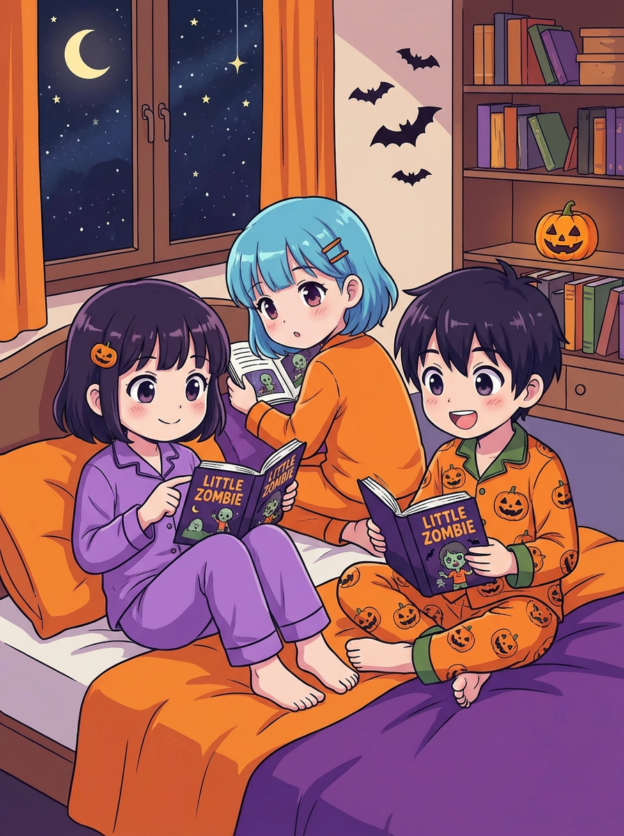
Tag Archives: zombie books for kids

zombie books for kids, gift for kids

Little Zombies Books: The Perfect Gift

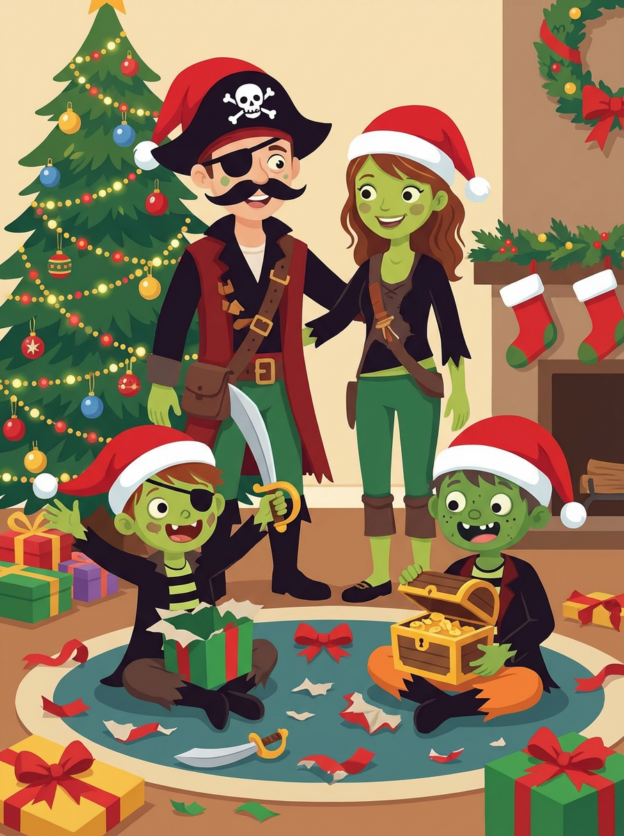
The holiday season is here, and finding the perfect gift for the young readers in your life can be challenging. This Christmas, consider giving the gift of adventure and imagination with the “Little Zombies” book series. Little Zombie books are the perfect gift for kids. These charming stories offer everything parents want and kids love, wrapped up in delightfully spooky packages that will keep children engaged long after the decorations come down.

Why Little Zombie Books Make Wonderful Christmas Gifts

Lasting value: Unlike toys that break or lose their appeal, books can be enjoyed again and again.

Screen-free entertainment: Books provide a healthy alternative to electronic devices.

Educational benefits: Reading strengthens vocabulary, comprehension, and critical thinking skills.

Quality time: Reading together creates precious bonding moments between parents and children.

What Makes Little Zombies Books Special Holiday Gifts

The “Little Zombies” series stands out as an exceptional Christmas gift for kids:

Unique and memorable: Friendly zombie characters offer something different from typical children’s books.

Perfect for cozy winter reading: These adventure stories are ideal for snuggling up during cold winter days.

Appeals to reluctant readers: The fun, spooky twist captures the attention of children who might otherwise resist reading.

Series potential: Starting with one book can lead to a collection that extends the joy throughout the year.

Age-Appropriate Zombie Adventure

“Little Zombies” books strike the perfect balance between exciting and age-appropriate. The gentle spookiness adds just enough thrill without nightmares, making them suitable for elementary-aged children who are ready for something beyond picture books but not quite ready for intense scary stories.

Stocking Stuffer or Main Present?

These books work beautifully as either:

Main gifts: Pair several books from the series together for an impressive present.

Stocking stuffers: Individual books fit perfectly in Christmas stockings.

Combination gifts: Bundle a “Little Zombies” book with a cozy blanket or reading light for the ultimate reading package.

Building Traditions Around Little ZombieBooks

Starting a Christmas book tradition creates lasting memories:

Christmas Eve reading: Make it a tradition to read a new “Little Zombies” adventure together on Christmas Eve.

Annual additions: Add a new book from the series each Christmas to build anticipation.

Book exchange: Encourage extended family to give books as gifts to foster a shared reading culture.

Perfect for Various Gift-Giving Situations

“Little Zombies” books work wonderfully for:

Children on your list: Nieces, nephews, grandchildren, and family friends.

Classroom gifts: Teachers appreciate quality books for their classroom libraries.

Secret Santa exchanges: Affordable yet thoughtful options for school or community gift swaps.

Charitable giving: Donate to toy drives or children’s hospitals to spread reading joy.

Little Zombie Books Beyond Entertainment

While kids enjoy the adventures, parents appreciate the hidden benefits:

Encourages independent reading habits

Teaches problem-solving and teamwork

Builds confidence in reading abilities

Provides conversation starters about friendship and courage

Making the Gift Extra Special

Enhance your “Little Zombies” book gift with these thoughtful touches:

Personal inscription: Write a message on the inside cover about why you chose this book.

Reading accessories: Include bookmarks, book lights, or reading journals.

Themed wrapping: Use spooky but fun wrapping paper that hints at the adventure inside.

Gift certificate: Add a note promising special reading time together.

A Gift That Keeps Giving

Unlike many Christmas presents that provide brief entertainment, “Little Zombies” books offer:

Multiple readings: Children often want to revisit favorite stories.

Growing skills: As kids reread, they discover new details and improve their reading abilities.

Sharing opportunities: Books can be passed to siblings, friends, or donated when outgrown.

Future nostalgia: These books may become cherished memories your children treasure into adulthood.

Conclusion

This Christmas, give a gift that sparks imagination, encourages reading, and provides countless hours of entertainment. “Little Zombies” books combine adventure, humor, and gentle spookiness in stories that children genuinely want to read. Whether you’re shopping for your own kids, grandchildren, or young friends, these books offer the perfect blend of fun and educational value. Skip the toys that will be forgotten by New Year’s and choose a “Little Zombies” book instead—it’s a gift that will be remembered, reread, and treasured for years to come. Make this holiday season special with the gift of a reading adventure! Little Zombie books are a perfect gift for kids.
Little Zombies books spark conversations

Little Zombies Books Spark Meaningful Conversations

Reading together is wonderful, but the real magic happens when you close the book and start talking. “Little Zombies” books for kids offer rich opportunities for engaging conversations that boost language development, critical thinking, and emotional intelligence. Let’s explore how these charming stories can become springboards for meaningful discussions with young readers.

The Power of Interactive Reading

Simply reading aloud is valuable, but interactive reading takes the experience to another level. When you pause to discuss characters, analyze illustrations, and explore themes, you transform story time into a powerful learning opportunity. “Little Zombies” books are perfectly designed for this approach, with relatable characters and detailed illustrations that invite exploration.

Getting to Know the Characters in “Little Zombies” Books for Kids

The little zombie characters in these books may be undead, but they face very real childhood experiences. Use these questions to spark character discussions:

        • “What do you think this character is feeling right now? How can you tell?”
        • “If you were friends with this little zombie, what would you do together?”
        • “Which character do you think you’re most like? Why?”
        • “How would you have handled this problem differently?”

These conversations help children develop empathy and self-awareness as they compare themselves to the characters and think about different perspectives.

Finding Similarities and Differences

One of the delights of “Little Zombies” is that these characters are just like regular kids—they just happen to be zombies. This creates fascinating opportunities for comparison:

“Even though they’re zombies, what makes them just like you and your friends?”

“What problems do they face that you’ve experienced too?”

“How are their friendships similar to yours?”

“What’s different about their world compared to ours?”

These discussions help children understand that differences (like being a zombie!) don’t prevent friendship, cooperation, and fun—a valuable lesson in acceptance and diversity.

The Art of Observation: Exploring Illustrations in “Little Zombies” Books for Kids

“Little Zombies” books feature engaging illustrations that reward careful attention. Encourage visual literacy with these activities:

“Look closely at this character’s face. What emotion do you see?”

“What details do you notice in the background?”

“How does the illustrator show that it’s nighttime/scary/exciting?”

“Can you find something in this picture that wasn’t mentioned in the words?”

Taking time to examine illustrations develops observation skills, visual literacy, and attention to detail—all crucial for academic success.

Understanding Setting and Atmosphere

The settings in “Little Zombies” books create the perfect atmosphere for gentle spookiness. Discuss how the illustrator and author work together:

“What makes this place look spooky but not too scary?”

“How would you feel if you were in this setting?”

“What sounds do you think the characters hear here?”

“If you could add something to this scene, what would it be?”

These questions help children understand how stories create mood and atmosphere, building literary comprehension skills.

Language Development Through Discussion

Every conversation about “Little Zombies” books contributes to language growth:

Vocabulary expansion: Introduce words like “courageous,” “determined,” or “mischievous” when describing characters.

Sentence complexity: Encourage children to explain their thinking with “because” statements.

Descriptive language: Ask kids to use adjectives when discussing illustrations and characters.

Narrative skills: Have them retell parts of the story in their own words.

Building Critical Thinking Skills

Move beyond simple comprehension with deeper questions:

“Why do you think the character made that choice?”

“What do you predict will happen next?”

“Was there another way to solve this problem?”

“What would you do if you were the author? Would you change anything?”

These questions teach children to analyze, evaluate, and think creatively about stories.

Connecting “Little Zombies” Books for Kids to Real Life

Help children bridge the gap between fiction and their own experiences:

“Have you ever felt brave like this character?”

“When have you worked with friends to solve a problem?”

“What’s a time you felt scared but did something anyway?”

“How do you help your friends when they’re worried?”

These connections make stories personally meaningful and help children apply lessons to their own lives.

Activities to Extend the Conversation about “Little Zombies” Books for Kids

Go beyond verbal discussion with these engaging activities:

Character drawing: Ask children to draw their favorite character and explain why they chose them.

Scene recreation: Have kids act out a favorite scene, exploring how characters move and speak.

Alternative endings: Encourage children to imagine and share different ways the story could end.

Personal connections: Create a chart comparing the child’s characteristics with their favorite little zombie.

Age-Appropriate Discussion Strategies

Tailor your approach to your child’s developmental level:

For younger children (ages 5-7):

Focus on identifying emotions in illustrations

Ask simple “what” and “who” questions

Encourage pointing to details in pictures

Keep discussions brief and playful

For older children (ages 8-10):

Explore character motivations and complex emotions

Discuss cause and effect in the plot

Compare multiple characters’ perspectives

Encourage predictions based on evidence

Creating a Discussion-Friendly Environment

Make story discussions enjoyable and pressure-free:

No wrong answers: Value all contributions and interpretations.

Follow their lead: Let children’s interests guide the conversation.

Share your thoughts: Model thoughtful analysis by sharing your own observations.

Keep it natural: Discussions don’t need to be formal—chat naturally about what interests you both.

The Long-Term Benefits

Regular story discussions using “Little Zombies” books help children develop:

Stronger communication skills

Enhanced reading comprehension

Greater emotional intelligence

Improved critical thinking abilities

Deeper love of reading

Closer parent-child bonds

Making It a Habit

Incorporate discussion into your reading routine:

Choose one or two questions per reading session—don’t overwhelm.

Revisit favorite books with new discussion questions.

Let children ask you questions about the story too.

Celebrate their insights and observations.

Conclusion

“Little Zombies” books offer far more than entertaining stories—they’re tools for building language skills, critical thinking, and emotional intelligence. By taking time to discuss characters, examine illustrations, and explore themes together, you transform reading time into powerful learning experiences. These friendly zombie characters provide the perfect starting point for conversations that help children understand themselves, develop empathy, and see the world in new ways. So next time you read a “Little Zombies” adventure, don’t just close the book when you finish—that’s when the real conversation begins!

diverse characters in children's books, zombies for kids, zombie books for kids

Beyond Princesses: Diverse Characters in Children’s Books

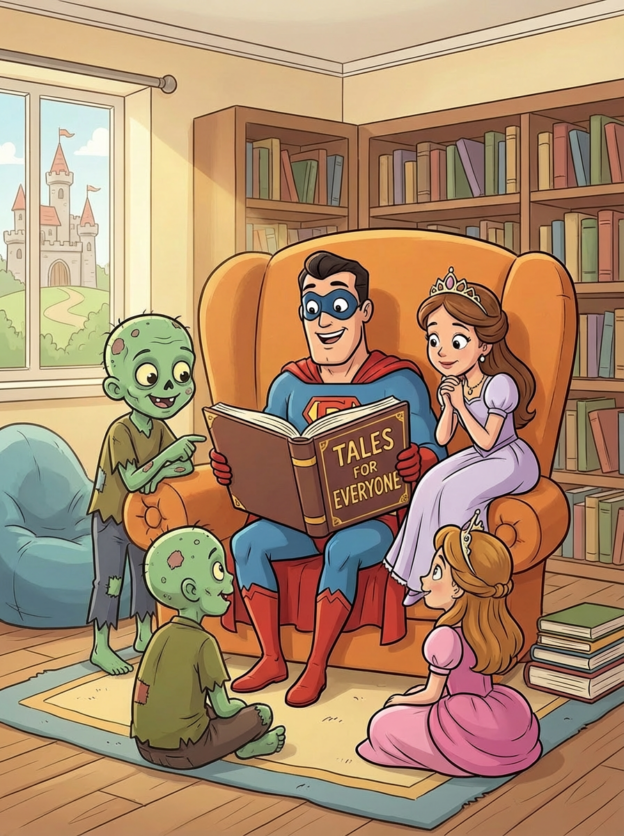
Walk into any children’s bookstore, and you’ll see shelves filled with princesses waiting to be rescued and superheroes saving the world. While these classic characters have their place, children’s literature thrives when it offers a wider range of protagonists. Enter the “Little Zombies” series—a refreshing alternative that proves heroes come in all forms, even undead ones. Let’s explore why diverse characters in children’s books matter and how unconventional protagonists like little zombies enrich young readers’ experiences.

The Limitation of Traditional Character Types

Princesses and superheroes dominate children’s media for good reason—they’re exciting, aspirational, and familiar. However, an exclusive diet of these characters can inadvertently limit children’s understanding of heroism, problem-solving, and identity.

Traditional character types often follow predictable patterns:

        • Princesses typically need saving or focus primarily on appearance and romance
        • Superheroes rely on special powers rather than teamwork and creativity
        • Both often represent narrow definitions of beauty, strength, and success

    While these stories entertain, they don’t always reflect the complexity of real childhood experiences or the diverse ways people can be brave, kind, and successful.

    What Makes a Character “Diverse”?

    Character diversity goes beyond race, gender, or background—though those are important too. Diverse characters in children’s books include:

              • Unconventional protagonists who challenge stereotypes
              • Characters with unique abilities, perspectives, or challenges
              • Heroes who succeed through collaboration rather than individual power
              • Protagonists who look, think, or behave differently from typical storybook characters

          The little zombies fit beautifully into this category. They’re not your typical heroes, yet they demonstrate courage, friendship, and problem-solving in every adventure.

          Why Little Zombies Are Refreshingly Different

          They’re Unexpected Heroes

          Zombies are traditionally portrayed as scary monsters, not protagonists children can relate to. By flipping this script, “Little Zombies” books challenge children to look beyond appearances and preconceptions. If a zombie can be friendly, helpful, and brave, what else might be different from what we assume?

          They’re Relatable Despite Being Different

          Here’s the magic: these little zombies face the same challenges as regular kids. They work through problems with friends, navigate tricky situations, and learn valuable lessons—all while being undead. This combination teaches children that being different doesn’t mean being less capable or less worthy of friendship.

          They Succeed Through Teamwork

          Unlike superheroes with individual powers, the little zombies typically work together to overcome obstacles. This models real-world problem-solving and emphasizes collaboration over competition—a valuable lesson for young readers.

          They’re Gentle, Not Scary

          The “Little Zombies” series proves you can have spooky elements without frightening content. These zombies are approachable and kind, showing children that “different” or “unusual” doesn’t automatically mean “dangerous” or “bad.”

          The Benefits of Diverse Character Exposure

          Expands Imagination

          When children encounter protagonists beyond the princess-superhero binary, their creative thinking expands. They begin imagining stories where anyone—even a zombie—can be the hero. This flexibility in thinking extends beyond reading into creative play, problem-solving, and social interactions.

          Builds Empathy and Acceptance

          Reading about characters who look or act differently helps children develop empathy. When kids root for zombie protagonists, they practice seeing the world from an unfamiliar perspective. This translates into greater acceptance of real-world differences among their peers.

          Challenges Gender Stereotypes

          Traditional princess and superhero narratives often reinforce rigid gender roles. Diverse characters like the little zombies can transcend these limitations, showing that adventure, bravery, and friendship aren’t gender-specific traits.

          Reflects Real-World Diversity

          Children encounter all kinds of people in their lives—different appearances, abilities, backgrounds, and personalities. Books with diverse characters help them understand and celebrate this variety rather than view difference as something strange or uncomfortable.

          Encourages Self-Acceptance

          Not every child identifies with princesses or superheroes. Some kids are quirky, unconventional, or feel like they don’t fit typical molds. Characters like little zombies send a powerful message: you don’t have to be traditional or typical to be special, valuable, and capable of great things.

          What Kids Learn from Little Zombies

          Difference Is Normal and Okay

          The little zombies normalize being different. Children learn that everyone has unique qualities, and those differences make life interesting rather than problematic.

          Appearance Doesn’t Define Worth

          Despite being zombies (not traditionally cute or beautiful), these characters are lovable and admirable. This helps children understand that worth comes from character, not appearance.

          Problems Can Be Solved in Many Ways

          Without superpowers to rely on, the little zombies use creativity, cooperation, and persistence. Children see that there are multiple approaches to challenges—not just one “powerful” solution.

          Friendship Transcends Differences

          The little zombies’ friendships show that connections form around shared values and experiences, not similarity in appearance or background.

          Bravery Comes in Many Forms

          Courage isn’t just about fighting villains or saving kingdoms. The little zombies demonstrate everyday bravery—trying new things, helping friends, and facing fears. This makes heroism accessible to all children.

          Beyond the Book: How Diverse Characters in Children’s Books Shape Children

          In Social Development

          Children who read about diverse characters often show greater social flexibility. They’re more likely to befriend peers who are different from them and less likely to exclude others based on superficial differences.

          In Self-Concept

          Exposure to various types of protagonists helps children develop more nuanced self-concepts. They learn there are many ways to be smart, brave, funny, or kind—not just the ways shown in traditional stories.

          In Creative Expression

          Kids who encounter diverse characters create more varied stories in their own play and writing. Their imaginary worlds become richer and more inclusive.

          In Problem-Solving

          Seeing characters approach challenges in different ways expands children’s problem-solving toolkit. They learn that there’s rarely just one “right” way to handle a situation.

          Balancing Traditional and Diverse Characters in Children’s Books

          This isn’t about eliminating princesses and superheroes from children’s lives—it’s about balance. A well-rounded reading diet includes:

          Traditional favorites that provide comfort and familiarity
          Diverse characters that challenge assumptions and expand perspectives
          A variety of settings, conflicts, and resolutions
          Characters of different backgrounds, abilities, and personality types

          “Little Zombies” books offer that important balance, complementing rather than replacing other beloved stories.

          Starting the Conversation

          When sharing “Little Zombies” books with children, enhance the experience with questions like:

          “What makes these zombies different from zombies in other stories?”

          “How are the little zombies similar to you and your friends?”

          “What would you tell someone who thought zombies were too scary to be friends with?”

          “What makes someone a hero in this story?”

          These discussions help children process and internalize the lessons about diversity and acceptance.

          The Bigger Picture

          Diverse characters in children’s books do more than entertain—they shape how the next generation views difference, solves problems, and treats others. By choosing books like “Little Zombies” alongside traditional favorites, parents and educators provide children with a richer, more realistic view of the world.

          When a child sees that even a zombie can be a hero, they learn that heroism isn’t about fitting a specific mold. It’s about courage, kindness, and character—qualities available to everyone, regardless of how they look or where they come from.

          Conclusion

          Princesses and superheroes will always have their place in children’s hearts and bookshelves, and that’s perfectly fine. But children deserve—and need—exposure to a wider range of characters and stories. “Little Zombies” books offer something refreshingly different: protagonists who challenge expectations, demonstrate diverse forms of heroism, and prove that being unusual is actually pretty wonderful.

          By expanding our children’s literary horizons beyond traditional character types, we’re not just making reading more interesting—we’re helping raise a generation that celebrates difference, thinks creatively, and understands that heroes come in all forms. Even zombie form. Give your child the gift of diverse characters, starting with the delightfully unexpected little zombies. You might be surprised at how these unconventional heroes become their new favorites.

help with bedtime anxiety

Using Little Zombies Books to Help with Bedtime Anxiety

Bedtime struggles are one of the most common challenges parents face. Whether it’s fear of the dark, separation anxiety, or an overactive imagination, many children experience bedtime anxiety that makes the evening routine stressful for everyone. Surprisingly, “Little Zombies” books—with their gentle spookiness and comforting adventures—can be powerful tools for help with bedtime anxiety. Let’s explore how these stories help children face their nighttime worries and create peaceful transitions to sleep.

Understanding Bedtime Anxiety in Children

Before addressing solutions, it’s important to understand what’s happening when children resist bedtime.

Common Bedtime Fears:

      • Fear of the dark and what might be hiding in it
      • Worry about being alone or separated from parents
      • Overactive imagination creating scary scenarios
      • Anxiety about nightmares or bad dreams
      • Fear of missing out on family activities
      • General difficulty with transitions and letting go of the day

Why Bedtime Is Particularly Challenging: Bedtime represents loss of control for children. The lights go out, parents leave, and they’re alone with their thoughts. For anxious children, this quiet time allows fears to grow larger.

The Counterintuitive Solution: Friendly Spooky Stories

It might seem odd to read spooky stories to anxious children at bedtime, but “Little Zombies” books work because they address fears directly while making them manageable and even fun.

How Little Zombies Help Conquer Bedtime Fears

Making the “Scary” Friendly

The genius of “Little Zombies” is transforming traditionally frightening creatures into lovable characters. When children see zombies as friends rather than monsters, they learn that scary things aren’t always what they seem.

Application to bedtime: If zombies can be friendly, maybe that shadow in the corner isn’t scary either. This reframing helps children question their fearful assumptions.

Providing Predictable Adventure

Children with anxiety crave predictability. “Little Zombies” books offer adventure within safe, predictable structures—the characters face challenges but always work through them successfully.

Application to bedtime: Knowing the little zombies always handle their problems helps children feel confident they can handle their own nighttime worries.

Demonstrating Courage

The little zombies regularly face situations that could be scary, but they approach them with curiosity, teamwork, and bravery. They model healthy responses to fear.

Application to bedtime: Children internalize these brave behaviors and can channel them when facing their own fears: “If the little zombies can be brave, so can I.”

Creating Comfortable Familiarity with Darkness

Many “Little Zombies” adventures take place in settings with shadows, nighttime, or dim lighting—but these settings are portrayed as interesting rather than threatening.

Application to bedtime: Regular exposure to nighttime settings in stories normalizes darkness and reduces its power to frighten.

Building Emotional Vocabulary

The stories give children words for their feelings—worried, nervous, brave, confident. This emotional vocabulary helps them identify and communicate their bedtime fears.

Application to bedtime: When children can name their feelings (“I’m feeling worried like when the little zombie entered the dark cave”), they gain control over those emotions.

Creating a Bedtime Reading Routine

Using “Little Zombies” books effectively for bedtime anxiety requires more than just reading—it requires intentional routine building.

Setting the Stage

Create a calming environment:

          • Dim the lights gradually rather than suddenly
          • Use a reading lamp or nightlight for comfort
          • Settle into a cozy reading spot—bed, reading chair, or floor cushions
          • Eliminate distractions and create quiet

Timing matters: Start reading 30-45 minutes before lights-out, allowing time for the story, discussion, and wind-down.

The Reading Ritual

Make it consistent:

            • Same time every night
            • Same location if possible
            • Same general structure (bathroom, pajamas, story, talk, tuck-in)
            • Predictability reduces anxiety

Read together: Even if your child can read independently, shared reading at bedtime provides comfort and connection that eases separation anxiety.

Post-Reading Discussion

This is where the real anxiety-reducing magic happens. After reading, spend 5-10 minutes talking about the story:

              • “What was your favorite part?”
              • “Were the little zombies ever scared? How did they handle it?”
              • “If you were in the story, what would you do?”
              • “What made the scary parts not so scary?”

These conversations help children process fears in a safe, structured way.

Specific Strategies for Different Anxiety Types

For Fear of the Dark

Use Little Zombies to reframe darkness and help with bedtime anxiety:

                • Point out how the little zombies navigate dark settings successfully
                • Discuss how darkness is just the absence of light, not the presence of danger
                • Note the adventures that happen in darkness in the stories

Activity: After reading, play “find the little zombie” in dim light with a stuffed toy, making darkness feel playful rather than threatening.

For Separation Anxiety

Use Little Zombies to build independence:

                • Highlight moments when characters work independently but know their friends are nearby
                • Discuss how the little zombies are brave even when not together
                • Emphasize that being alone doesn’t mean being unsafe

Activity: Create a “brave little zombie” plan—what the little zombies would do at bedtime, and how your child can do the same.

For Overactive Imagination

Use Little Zombies to redirect imagination positively and help with bedtime anxiety:

                • Show how imagination creates fun adventures in the stories
                • Practice imagining positive scenarios instead of fearful ones
                • Use story characters as “protectors” in imagination

Activity: Ask your child to imagine a “Little Zombies adventure” happening in their room—something fun and safe rather than scary.

For Nightmare Worries

Use Little Zombies to process dream fears:

                • Discuss how story problems always get solved
                • Talk about how the little zombies would handle a bad dream
                • Create distinction between stories (controlled) and dreams (uncontrollable but harmless)

Activity: If your child has a nightmare, retell it the next day with little zombies as helpers who solve the problem.

For Fear of Missing Out

Use Little Zombies to validate rest:

                • Point out when characters rest and recharge in stories
                • Discuss how adventures require energy that sleep provides
                • Frame sleep as preparation for tomorrow’s adventures

Activity: Create an “adventure journal” where your child records daily adventures and plans tomorrow’s—making sleep the bridge between exciting days.

Practical Bedtime Conversation Starters to Help with Bedtime Anxiety

Use these discussion prompts after reading “Little Zombies” books:

Building courage:

                  • “The little zombie was nervous about [situation]. Have you ever felt that way?”
                  • “What made the little zombie brave enough to try anyway?”
                  • “If you could tell the little zombie one thing about being brave, what would it be?”

Addressing specific fears:

                  • “Was anything in this story a little scary? What made it okay in the end?”
                  • “How did the little zombies make the dark/unknown/new thing less scary?”
                  • “What would you tell a friend who was scared of [element from story]?”

Building confidence:

                  • “Which little zombie are you most like?”
                  • “What’s something brave you did today, just like the little zombies?”
                  • “Tomorrow, what little zombie adventure might you have?”

Additional Comfort Strategies to Help with Bedtime Anxiety

Combine reading with other calming elements:

Physical comfort:

                    • Favorite stuffed animal or blanket
                    • Gentle back rubs while reading
                    • Calm, soothing voice
                    • Comfortable position

Environmental adjustments:

                    • Nightlight featuring story-related themes
                    • Soft background music
                    • Comfortable room temperature
                    • Door left slightly open if that helps

Transitional objects:

                    • “Little Zombies” bookmark to “protect” during sleep
                    • Drawing of favorite character on nightstand
                    • Story-related item that provides comfort

When to Read Little Zombies vs. Other Books

Not every night needs to be a “Little Zombies” night. Balance is key:

Little Zombies nights are best for:

                      • Children actively expressing fear or anxiety
                      • Nights following stressful days
                      • When building courage is the goal
                      • Addressing specific fears that match story elements

Other books work better for:

                      • Extremely anxious nights (try calmer, gentler stories)
                      • Nights when child is already calm
                      • Variety in routine
                      • Different developmental focuses

Pay attention to your child’s response and adjust accordingly.

Signs It’s Working

You’ll know “Little Zombies” books are helping with bedtime anxiety when:

                      • Child asks for these books specifically at bedtime
                      • References story characters when discussing fears
                      • Uses story language (“I’ll be brave like the little zombies”)
                      • Bedtime resistance decreases over time
                      • Child falls asleep more quickly
                      • Nighttime wake-ups decrease
                      • Morning reports of better sleep or fewer bad dreams

What If It’s Not Enough?

Books are powerful tools, but they’re not magic solutions. If bedtime anxiety persists despite consistent routines and strategies:

                      • Consult your pediatrician about underlying issues
                      • Consider whether daytime stress needs addressing
                      • Evaluate whether bedtime is age-appropriate (some children need earlier or later times)
                      • Rule out physical discomfort (mattress, temperature, noise)
                      • Assess overall anxiety levels throughout the day

“Little Zombies” books work best as part of a comprehensive approach to bedtime, not as standalone solutions.

Creating Long-Term Success

Building on the foundation:

As bedtime anxiety decreases, maintain the reading routine but adjust focus:

                        • Gradually reduce post-reading discussion time
                        • Transition to independent reading if age-appropriate
                        • Continue using story language when anxiety occasionally resurfaces
                        • Celebrate progress: “Remember when bedtime was hard? Look how brave you’ve become!”

The Power of Story in Healing

Stories have been helping humans process fear for thousands of years. “Little Zombies” books tap into this ancient wisdom, providing children with:

                          • Safe exposure to manageable fears
                          • Models of courage and problem-solving
                          • Language for emotions
                          • Comfort through routine
                          • Connection through shared reading

Conclusion

Bedtime anxiety is challenging, but it’s also conquerable. “Little Zombies” books offer a unique approach—embracing the spooky while making it friendly, acknowledging fears while demonstrating courage, and creating adventure while building safety. By incorporating these stories into a consistent, comforting bedtime routine, you give your child tools to face nighttime worries with confidence.

The little zombies show that even creatures associated with darkness and fear can be brave, kind, and successful. If zombies can handle scary situations, your child can handle bedtime. One story at a time, one night at a time, these friendly characters can transform bedtime from a battle into a peaceful close to each day’s adventure.

Sweet dreams, and happy reading!

best creative book series for kids3-8, best creative book series

Best Creative Book Series for Kids 3-8

Introduction: Discover Little Zombies – The Best Creative Book Series for Kids 3-8

Hey there, parents! Are you looking for the best creative book series for kids 3-8 and a fun way to extend their reading experience? Look no further than the Little Zombies book series and its exciting new feature, Little Zombies TV!

Bringing the Best Creative Book Series for Kids 3-8 to Life: Little Zombies TV

Little Zombies TV brings the beloved characters from the best creative book series for kids 3-8 to life through a collection of charming cartoons. Each episode focuses on one of the adorable zombie characters, showcasing their unique personalities and interests. These engaging cartoons do more than just entertain – they ignite your child’s imagination, inspiring them to create their own adventures featuring their favorite Little Zombies. Little Zombies TV serves as a bridge between the written stories and visual storytelling, enriching the reading experience. By bringing the characters to life on screen, this complementary feature enhances the overall enjoyment of the best creative book series for kids 3-8.

Character Spotlight: Lisa, the Rocker Zombie

Take Lisa, the Rocker Zombie, for example. After reading about Lisa in the books and watching her cartoon on Little Zombies TV, your child might be inspired to imagine a whimsical concert organized by Lisa herself. Picture this: Lisa takes the stage in a mystical forest clearing with her trusty guitar in hand. As she begins to play, a band of musical wolves emerges from the shadows, joining her in a captivating performance. The forest comes alive with the sound of their enchanting melodies. And soon, a group of brave bunnies arrives on the scene, ready to challenge the wolves in a friendly battle of the bands!

Endless Adventures: From Books to Imagination

This is just one example of the countless adventures your child can dream up based on the Little Zombies books and TV cartoons. Each zombie’s unique interests and talents serve as a springboard for imaginative play and storytelling. Whether it’s Alex, the Mad Scientist Zombie, concocting wild experiments in their attic laboratory, or Lily, the Astronomer Zombie, embarking on cosmic adventures and making groundbreaking discoveries, these characters will inspire your child to think outside the box and create their own exciting narratives.

Fostering Creativity and Skills with the Best Creative Book Series for Kids 3-8

Engaging with the Little Zombies books and TV cartoons opens up a world of creativity for your child. As they immerse themselves in the stories and invent new adventures for their favorite characters, they’re developing crucial skills like problem-solving, storytelling, and creative thinking. This journey through the Little Zombies universe not only fosters imagination but also builds confidence in their own ideas. The result is a love for creative expression that extends far beyond the pages of our books.

Incorporating Little Zombies into Daily Reading

So, why not make Little Zombies a part of your child’s daily routine? Pick up one of the books, watch a cartoon featuring one of the lovable zombies, and then encourage them to let their imaginations run wild. Ask questions, offer prompts, and celebrate their creative ideas. Who knows what incredible adventures they’ll come up with?

Accessing the Best Creative Book Series for Kids 3-8: Little Zombies Books and TV

To get started with the our creative book series, visit the Little Zombies website. On the Little Zombies website, you can purchase the books and access the captivating Little Zombies TV section. Here, a treasure trove of engaging cartoons awaits, ready to spark your child’s imagination. The adventures don’t end when the book closes or the cartoon finishes – they’re just beginning. With the Little Zombies as inspiration, your child’s creativity can take flight, leading to endless possibilities for imaginative play and storytelling.

Conclusion: Embark on a Creative Journey with Little Zombies

So, what are you waiting for? Unlock your child’s creativity and let them explore the wonderful world of the Little Zombies. With the Little Zombies book series and TV as their guide, your child will embark on unforgettable adventures while developing essential skills. Your little ones will have a blast as they explore the imaginative world of Little Zombies.

escape room, escape room for kids, zombie books for kids, fun books for kids, Halloween books for kids, escape room: Little Zombies and the Vampire

Little Zombies Escape Room Guide- Part 2

Welcome back, zombie enthusiasts! In our previous post, we covered how to set up your “Little Zombies and the Vampire” escape room adventure. Now, it’s time to bring the excitement to life! This guide will walk you through running the game, keeping your little zombies engaged, and creating an unforgettable experience.

Quick Recap: If you haven’t read Part 1 on planning and setup, make sure to check it out in our first blog post. It covers all the materials needed and detailed setup instructions.

Get ready to bring the story to life with this exciting home escape room adventure!

Detailed Game Sequence:

Finding Zombies:

      • Start by saying: “Little zombies, your adventure begins! Four of your zombie friends are hiding in this room. Can you find them all?”
      • After all are found: “Great job! Now, can you put the zombies in order?”
      • Reveal: “Look at the back of the cards. Those numbers will help you open the mysterious box!”

Character-Food Matching:

      • Guide them to the locked box: “The zombies’ friends left a surprise, but it’s locked! Can you open it?”
      • After opening: “Oh look, it’s a puzzle about the Halloween party! Can you match who’s bringing what food?”
      • Once finished: “Great job! Is there anything else written on the puzzle?”

Clock Challenge:

      • When they find “Look under the rug,” ask, “I wonder what’s under there?”
      • For the clock card: “Remember what time the zombies woke up in the story?”
      • Encourage them to look for a real clock in the room.
      • After finding the key: “Wow! I wonder what this key opens?”

Maze Challenge:

      • The key opens another box containing the printed maze.
      • Say: “Look, the zombies left us a tricky maze!”
      • After they complete the maze, they might look confused.
      • Point out: “Let’s read what it says at the top of the maze. Do you notice anything special about these words?”
      • Guide them: “Look, the word ‘green’ is underlined. I wonder why?”
      • Encourage observation: “Do you see any letters on the maze? What colors are they?”
      • Help them focus on green letters and unscramble “BUBBLES.”
      • Exclaim: “Bubbles! Where were the zombies blowing bubbles in the story?”

Bubbles Adventure:

      • Lead them to the bathroom: “The zombies love splashing in the bathtub. Let’s see what’s in there!”
      • For the bubble container: “Can you see anything hidden in the bubbles?”
      • After key retrieval: “Another key! What do you think this one is for?”

Final Hiding Challenge:

      • Guide them to use the key on the final lock.
      • After reading the vampire warning card, act scared: “Oh no! We need to hide quickly!”
      • Instructions: “Find a good hiding spot. I’m going to turn into a vampire and look for you!”
      • Count loudly to 20, then begin your vampire act.

Vampire Search and Prize:

    • Pretend to search: “Where oh where could those tasty little zombies be?”
    • After a minute or two: “Oh no! These zombies are too clever for me. I give up!”
    • Congratulate them: “You’ve outsmarted the vampire! Here’s your reward for being such brave and clever zombies!”

Tips for Parents During the Game:

  • Stay in character: Refer to the kids as “little zombies” and maintain the story’s atmosphere.
  • Offer hints gradually: If they’re stuck, start with vague hints and get more specific if needed.
  • Be flexible: If a challenge is too hard or easy, be ready to adjust on the fly.
  • Encourage teamwork: If multiple kids are playing, prompt them to help each other.
  • Take photos: Capture the fun moments (but don’t interrupt the flow of the game).

Handling Different Outcomes:

  • If kids get stuck: Have pre-prepared hint cards for each challenge. Give them out one at a time if needed.
  • If it’s going too fast: Add impromptu mini-challenges or ask them questions about the story to slow the pace.
  • If it’s going too slow: Combine some steps or offer more direct hints to keep the momentum.

Conclusion:

Congratulations! You’ve successfully run a “Little Zombies and the Vampire” escape room adventure. This experience not only brings the book to life but also encourages problem-solving, teamwork, and creativity.

After the game, consider these follow-up activities:

  • Discuss their favorite parts of the adventure
  • Ask them to draw their own zombie escape room ideas
  • Read the book again and see if they notice new details

Remember, the most important thing is that everyone has fun. Don’t worry if things don’t go exactly as planned – the kids’ imagination and your enthusiasm are what really make the experience special.

We’d love to hear about your Little Zombies escape room adventure! Share your experiences, photos, or questions in the comments below. And if you’re hungry for more, let us know what other books you’d like to see turned into home escape rooms!

Happy zombie adventuring!


escape room kids, escape room for kids, zombie books for kids

Create an Escape Room for Kids at Home: Part 1 – Setup

Have you read “Little Zombies and the Vampire” with your kids?

Get ready to bring the story to life with this exciting home escape room adventure!

Perfect for children aged 3-8, this game will challenge their problem-solving skills and imagination. In this post, we’ll cover everything you need to set up your very own Little Zombies escape room for kids.

What You’ll Need:

“Little Zombies and the Vampire” book (for reference)

Paper and markers

Scissors

A small box with a 4-digit combination lock

Two additional boxes or containers

Two keys

Clear container for the bathtub

Bubble bath or shampoo

Printable maze (you can find free ones online)

Prize (candy, small toy, or homemade certificate)

Optional: Halloween decorations, zombie or vampire props

Detailed Setup Instructions:

Zombie Hunt:

Create four cards labeled “Zombie 1”, “Zombie 2”, “Zombie 3”, and “Zombie 4”

On the back of each, write one number of a 4-digit code

Hide these around the room

Locked Box Challenge:

Place the character-food matching puzzle pieces inside a box

Lock it with the 4-digit combination lock

Character-Food Puzzle:

Cut paper into puzzle pieces

On each piece, write a character name (e.g., “Wolf and Bunny”) or a food item from the story

When assembled, the puzzle should read “Look under the rug” at the bottom

Clock Mystery:

Draw a clock showing 8:00 on a card and hide it under a rug

Set a real clock in the room to 8:00

Hide a key behind the real clock

Maze Challenge:

Print a simple maze

Write “Help zombies find their way through the green forest” at the top, underlining “green”

Place letters throughout the maze – some in blue, some in green

Ensure the green letters spell out “BUBBLES” when collected

Put the maze in a box to be opened with the clock key

Bubbles Adventure:

Fill a clear container with water and add a bubble bath

Place it in the bathtub with a key at the bottom

Final Hiding Challenge:

Prepare a box or use a door with a rubber band and lock

Inside, place a card saying, “Hurry! Hide! Vampire is on the way!”

Have a prize ready to give after this final challenge

Tips for Preparation

Age Adjustments:

For younger kids (3-5), make hiding spots more obvious and puzzles simpler

For older kids (6-8), increase difficulty with trickier hiding spots and more complex puzzles

Making It More Elaborate:

Add spooky decorations to set the mood

Use Halloween props to create a more immersive experience

Consider adding background music or sound effects

Safety Considerations:

Ensure all hiding spots are safe and easily accessible

Use child-safe materials for all props and puzzles

Supervise the bathtub activity to prevent any accidents

Timing:

Do a trial run to estimate how long each challenge might take

Be prepared to adjust on the fly if things are moving too quickly or slowly

Hints System in an Escape Room for Kids:

Prepare a few hints for each challenge in case kids get stuck

Write them on cards to keep handy during the game

Remember, the goal is to create a fun, immersive experience that brings the book to life. Don’t worry if everything isn’t perfect – your enthusiasm and your children’s imagination will fill in any gaps!

Conclusion:

Setting up this Little Zombies escape room is a fantastic way to extend the joy of reading and create lasting memories with your kids. Feel free to get creative and add your own twists to the challenges. The most important thing is to have fun with it!

Stay tuned for our next post, where we’ll guide you through running the escape room adventure. We’ll cover the game sequence, how to present each challenge, and tips for keeping the excitement going throughout the experience.

Have any questions about the setup? Leave a comment below, and we’ll be happy to help!

Zombie Books for Kids: “Little Zombies’ Magic Mishap”

Introduction: Discover a New Favorite in Zombie Books for Kids

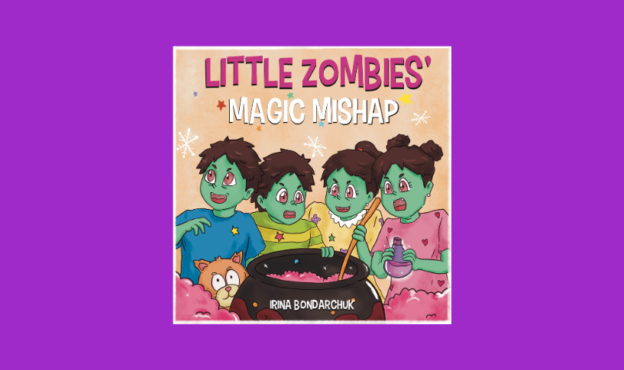
Prepare for a magically mischievous adventure with the fifth installment of the Little Zombies series, “Little Zombies’ Magic Mishap”! This enchanting tale is perfect for kids ages 3-8 who love a good story filled with humor, heart, and a sprinkle of supernatural shenanigans. This is one of the most charming zombie books for kids. It mixes spooky fun with valuable life lessons.

Zombie Books for Kids: A Story That Teaches Responsibility

In this captivating new book, the little zombies find themselves home alone while their parents are away. Before leaving, Mom and Dad strictly warn the young zombies not to touch any of the magical items in the house. But as curiosity gets the better of them, the little zombies can’t resist the temptation to explore and experiment with the forbidden magical objects.

Magical Mayhem Unfolds: The Fun Side of Zombie Books for Kids

As they tinker with spells and potions, things quickly spiral out of control. The little zombies soon realize that magic isn’t as easy as it seems, and their playful mischief leads to a series of hilarious and unexpected consequences. With each attempt to fix their magical mishaps, the situation becomes increasingly chaotic and comical.

Family Teamwork: A Key Theme in This Zombie Book for Kids

When Mom and Dad finally return home, they discover the magical mayhem that has unfolded in their absence. Together, the zombie family must work to set things right and undo the magical mischief caused by the little zombies’ curiosity.

Life Lessons and Laughter: What Sets These Zombie Books for Kids Apart

“Little Zombies’ Magic Mishap” is a delightful tale that teaches children about the importance of following rules, the consequences of one’s actions, and the power of teamwork in solving problems. The colorful illustrations and engaging story are sure to capture the imaginations of young readers who love a good mix of magic, humor, and gentle life lessons.

Perfect for All Ages: Why Parents Love Our Books for Kids

This book is great for reading aloud to younger children. Older kids will enjoy it on their own too. It’s a fun, mildly spooky tale filled with laughter and heart.

Join the Little Zombies Adventure: A Growing Series of Zombie Books for Kids

Fans of the series will love this new installment. It’s also a great introduction for new readers. Get ready for more adventures with the Little Zombies!

Halloween picture books, zombies picture books, zombie book series, zombie books for kids, Halloween picture books for kids

Why Kids Love Spooky Halloween Picture Books?

Halloween picture books have a special place in children’s literature, offering just the right mix of spooky and fun. However, have you ever wondered why kids are drawn to these mildly frightening tales? Let’s explore the psychology behind this fascinating phenomenon.

The Thrill of Safe Fear

First and foremost, children are naturally curious about the world around them, including its darker aspects. Halloween picture books provide a safe space for kids to explore scary concepts without danger. Psychologists call this “controlled fear exposure.” In essence, it’s like a roller coaster ride for the mind – exciting but with the assurance of safety.

Building Emotional Resilience

Furthermore, engaging with mildly frightening content helps children develop emotional resilience. As they encounter spooky characters or situations in Halloween picture books, they learn to manage their fears in a controlled environment. Consequently, this can translate into better coping skills for real-life situations.

Cognitive Development and Problem-Solving in Halloween picture Books

Additionally, many Halloween picture books feature characters overcoming obstacles or solving mysteries. This engages children’s problem-solving skills and cognitive abilities. As a result, while following along, kids unconsciously practice critical thinking and prediction skills.

The Power of Imagination

Moreover, spooky stories stimulate a child’s imagination in unique ways. The blend of reality and fantasy in these Halloween picture books encourages creative thinking. This imaginative exercise is crucial for cognitive and emotional development.

Social Bonding and Shared Experiences

In addition, reading slightly scary books together can be a bonding experience for families. It creates shared moments of excitement and relief, thereby strengthening emotional connections. Plus, it gives children a chance to show bravery, consequently boosting their self-esteem.

Mastery and Control

For young readers, knowing the scary parts of the story aren’t real gives them a sense of mastery over their fears. They can choose to engage with the content, put the book down, or skip pages, thus giving them control over their experience.

The Role of Humor in Halloween Picture Books

Lastly, many Halloween books incorporate humor alongside spooky elements. This combination helps children process scary concepts in a lighthearted way, ultimately making the experience enjoyable rather than truly frightening.

Conclusion: A Delicate Balance

In conclusion, the key to the appeal of Halloween books lies in their careful balance. They offer just enough spookiness to be exciting but not so much as to be truly scary. This sweet spot allows children to explore their emotions, develop cognitive skills, and enjoy the thrill of the spooky season in a safe, controlled manner.

Understanding this psychology can help us, as parents and educators, choose Halloween picture books that provide the right level of excitement for each child, supporting their emotional and cognitive growth while fostering a love for reading.

detective stories for kids, book series for kids, Halloween books for kids, adventure books for kids, Zombie books for kids, picture books for children

Detective Stories for Kids: Little Zombies Investigate!

Introducing a New Detective Story for Kids

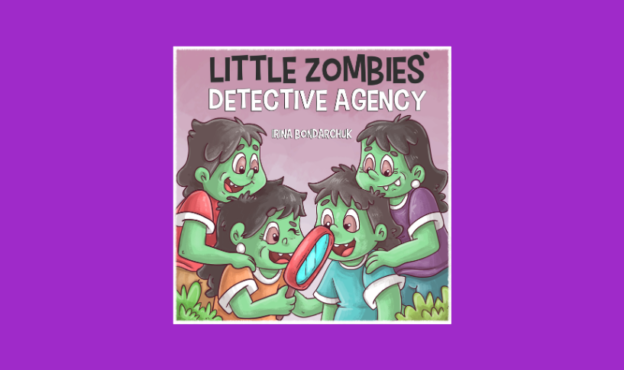
Looking for engaging detective stories for kids? The fourth book in the beloved Little Zombies series, “Little Zombies’ Detective Agency,“ has arrived! This thrilling mystery adventure offers the perfect introduction to sleuthing for children ages 3-8.

The Mystery Plot Unfolds

In this latest installment, our lovable little zombies transform into pint-sized private eyes. When a distraught bunny musician loses his prized fiddle before a big concert, our undead heroes don their deerstalker caps and magnifying glasses to crack the case!

What Makes This Kid’s Mystery Book Special

Interactive Clue-Finding

Young readers are encouraged to look for clues alongside the little zombies, fostering critical thinking and observation skills.

Junior Detective Skills

The story playfully introduces basic concepts of investigation, like gathering evidence and interviewing witnesses.

Teamwork Solves the Case

Watch as the little zombies collaborate, demonstrating the power of working together to solve problems.

Child-Friendly Suspense

The story builds age-appropriate tension, keeping kids engaged without being too scary.

A Satisfying Mystery Resolution

Children will feel a sense of accomplishment as they help unravel the mystery of the missing fiddle.

Learning Through Sleuthing

  • Develops logical thinking and problem-solving abilities
  • Encourages attention to detail
  • Builds vocabulary related to detective work
  • Promotes empathy as characters help others in need

More Than Just a Detective Story for Kids

While the detective plot takes center stage, “Little Zombies’ Detective Agency” retains the charm and humor that has made the series a hit. Expect plenty of silly zombie antics and heartwarming moments as our heroes navigate their spooky-cute world.

Perfect for Young Mystery Lovers

  • Budding detective story enthusiasts
  • Kids who enjoy interactive stories
  • Reluctant readers drawn in by engaging plots
  • Little ones fascinated by detective shows or books

Conclusion: A Must-Read for Little Sleuths

“Little Zombies’ Detective Agency” is an ideal way to introduce young children to detective stories for kids and the joy of solving mysteries. Whether read aloud or explored independently, this book promises to spark imagination and critical thinking skills in your little detectives-in-training.

Don’t miss out on this latest adventure – it’s elementary, my dear little monsters!