Beyond Princesses: Diverse Characters in Children’s Books
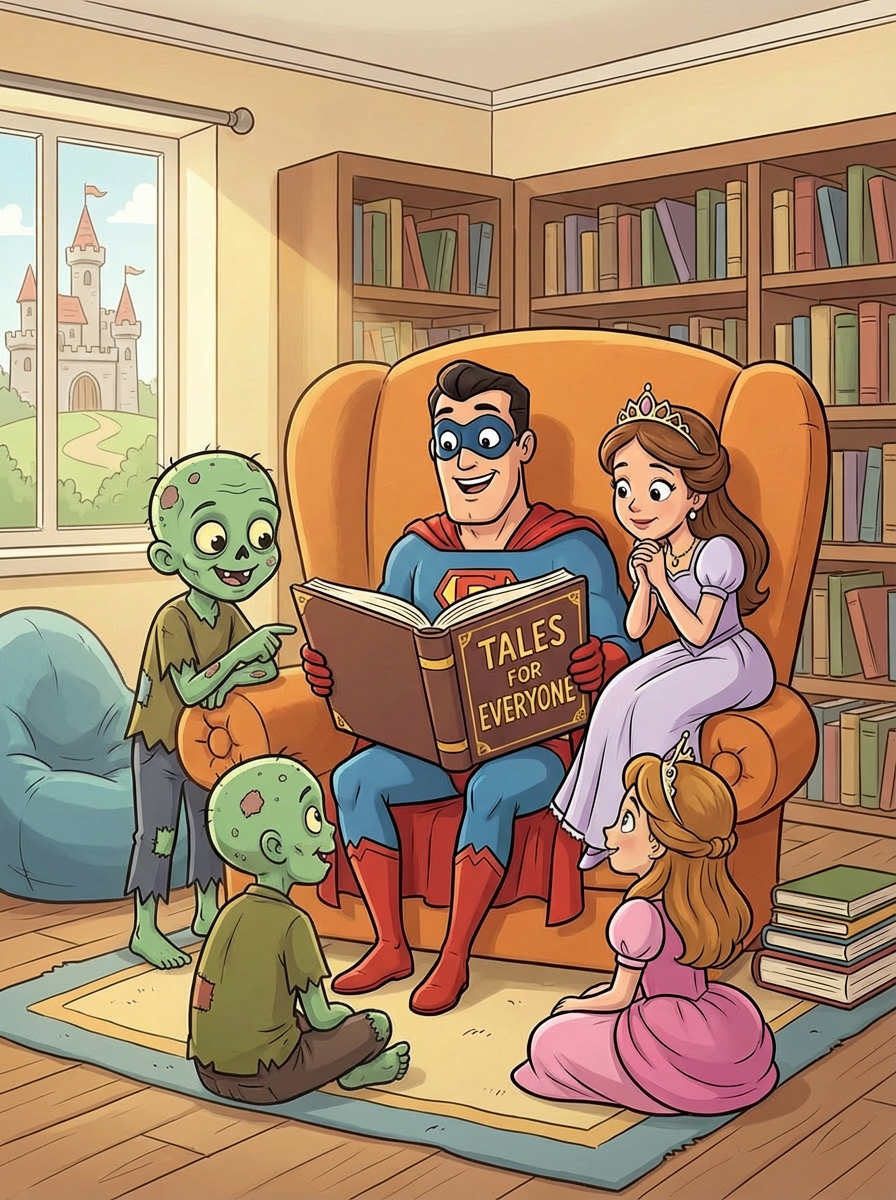
Walk into any children’s bookstore, and you’ll see shelves filled with princesses waiting to be rescued and superheroes saving the world. While these classic characters have their place, children’s literature thrives when it offers a wider range of protagonists. Enter the “Little Zombies” series—a refreshing alternative that proves heroes come in all forms, even undead ones. Let’s explore why diverse characters in children’s books matter and how unconventional protagonists like little zombies enrich young readers’ experiences.
The Limitation of Traditional Character Types
Princesses and superheroes dominate children’s media for good reason—they’re exciting, aspirational, and familiar. However, an exclusive diet of these characters can inadvertently limit children’s understanding of heroism, problem-solving, and identity.
Traditional character types often follow predictable patterns:
-
-
-
- Princesses typically need saving or focus primarily on appearance and romance
- Superheroes rely on special powers rather than teamwork and creativity
- Both often represent narrow definitions of beauty, strength, and success
-
While these stories entertain, they don’t always reflect the complexity of real childhood experiences or the diverse ways people can be brave, kind, and successful.
What Makes a Character “Diverse”?
Character diversity goes beyond race, gender, or background—though those are important too. Diverse characters in children’s books include:
-
-
-
-
-
- Unconventional protagonists who challenge stereotypes
- Characters with unique abilities, perspectives, or challenges
- Heroes who succeed through collaboration rather than individual power
- Protagonists who look, think, or behave differently from typical storybook characters
-
The little zombies fit beautifully into this category. They’re not your typical heroes, yet they demonstrate courage, friendship, and problem-solving in every adventure.
Why Little Zombies Are Refreshingly Different
They’re Unexpected Heroes
Zombies are traditionally portrayed as scary monsters, not protagonists children can relate to. By flipping this script, “Little Zombies” books challenge children to look beyond appearances and preconceptions. If a zombie can be friendly, helpful, and brave, what else might be different from what we assume?
They’re Relatable Despite Being Different
Here’s the magic: these little zombies face the same challenges as regular kids. They work through problems with friends, navigate tricky situations, and learn valuable lessons—all while being undead. This combination teaches children that being different doesn’t mean being less capable or less worthy of friendship.
They Succeed Through Teamwork
Unlike superheroes with individual powers, the little zombies typically work together to overcome obstacles. This models real-world problem-solving and emphasizes collaboration over competition—a valuable lesson for young readers.
They’re Gentle, Not Scary
The “Little Zombies” series proves you can have spooky elements without frightening content. These zombies are approachable and kind, showing children that “different” or “unusual” doesn’t automatically mean “dangerous” or “bad.”
The Benefits of Diverse Character Exposure
Expands Imagination
When children encounter protagonists beyond the princess-superhero binary, their creative thinking expands. They begin imagining stories where anyone—even a zombie—can be the hero. This flexibility in thinking extends beyond reading into creative play, problem-solving, and social interactions.
Builds Empathy and Acceptance
Reading about characters who look or act differently helps children develop empathy. When kids root for zombie protagonists, they practice seeing the world from an unfamiliar perspective. This translates into greater acceptance of real-world differences among their peers.
Challenges Gender Stereotypes
Traditional princess and superhero narratives often reinforce rigid gender roles. Diverse characters like the little zombies can transcend these limitations, showing that adventure, bravery, and friendship aren’t gender-specific traits.
Reflects Real-World Diversity
Children encounter all kinds of people in their lives—different appearances, abilities, backgrounds, and personalities. Books with diverse characters help them understand and celebrate this variety rather than view difference as something strange or uncomfortable.
Encourages Self-Acceptance
Not every child identifies with princesses or superheroes. Some kids are quirky, unconventional, or feel like they don’t fit typical molds. Characters like little zombies send a powerful message: you don’t have to be traditional or typical to be special, valuable, and capable of great things.
What Kids Learn from Little Zombies
Difference Is Normal and Okay
The little zombies normalize being different. Children learn that everyone has unique qualities, and those differences make life interesting rather than problematic.
Appearance Doesn’t Define Worth
Despite being zombies (not traditionally cute or beautiful), these characters are lovable and admirable. This helps children understand that worth comes from character, not appearance.
Problems Can Be Solved in Many Ways
Without superpowers to rely on, the little zombies use creativity, cooperation, and persistence. Children see that there are multiple approaches to challenges—not just one “powerful” solution.
Friendship Transcends Differences
The little zombies’ friendships show that connections form around shared values and experiences, not similarity in appearance or background.
Bravery Comes in Many Forms
Courage isn’t just about fighting villains or saving kingdoms. The little zombies demonstrate everyday bravery—trying new things, helping friends, and facing fears. This makes heroism accessible to all children.
Beyond the Book: How Diverse Characters in Children’s Books Shape Children
In Social Development
Children who read about diverse characters often show greater social flexibility. They’re more likely to befriend peers who are different from them and less likely to exclude others based on superficial differences.
In Self-Concept
Exposure to various types of protagonists helps children develop more nuanced self-concepts. They learn there are many ways to be smart, brave, funny, or kind—not just the ways shown in traditional stories.
In Creative Expression
Kids who encounter diverse characters create more varied stories in their own play and writing. Their imaginary worlds become richer and more inclusive.
In Problem-Solving
Seeing characters approach challenges in different ways expands children’s problem-solving toolkit. They learn that there’s rarely just one “right” way to handle a situation.
Balancing Traditional and Diverse Characters in Children’s Books
This isn’t about eliminating princesses and superheroes from children’s lives—it’s about balance. A well-rounded reading diet includes:
Traditional favorites that provide comfort and familiarity
Diverse characters that challenge assumptions and expand perspectives
A variety of settings, conflicts, and resolutions
Characters of different backgrounds, abilities, and personality types“Little Zombies” books offer that important balance, complementing rather than replacing other beloved stories.
Starting the Conversation
When sharing “Little Zombies” books with children, enhance the experience with questions like:
“What makes these zombies different from zombies in other stories?”
“How are the little zombies similar to you and your friends?”
“What would you tell someone who thought zombies were too scary to be friends with?”
“What makes someone a hero in this story?”
These discussions help children process and internalize the lessons about diversity and acceptance.
The Bigger Picture
Diverse characters in children’s books do more than entertain—they shape how the next generation views difference, solves problems, and treats others. By choosing books like “Little Zombies” alongside traditional favorites, parents and educators provide children with a richer, more realistic view of the world.
When a child sees that even a zombie can be a hero, they learn that heroism isn’t about fitting a specific mold. It’s about courage, kindness, and character—qualities available to everyone, regardless of how they look or where they come from.
Conclusion
Princesses and superheroes will always have their place in children’s hearts and bookshelves, and that’s perfectly fine. But children deserve—and need—exposure to a wider range of characters and stories. “Little Zombies” books offer something refreshingly different: protagonists who challenge expectations, demonstrate diverse forms of heroism, and prove that being unusual is actually pretty wonderful.
By expanding our children’s literary horizons beyond traditional character types, we’re not just making reading more interesting—we’re helping raise a generation that celebrates difference, thinks creatively, and understands that heroes come in all forms. Even zombie form. Give your child the gift of diverse characters, starting with the delightfully unexpected little zombies. You might be surprised at how these unconventional heroes become their new favorites.
-
-
-
-